Preparing for Your Wedding Day: A Photographer's Guide
Planning a wedding comes with a hundred small decisions, and it's easy to get lost in the big ones (venue, dress, guest list) while the details that actually shape your photos slip by unnoticed. After shooting weddings for years, these are the things I tell every couple to think about early, whether or not we end up working together.
Vision and Style
Start a Pinterest board (even a messy one)
You don't need a polished vision yet, just a running collection of images that catch your eye. Save anything: colors, poses, light, even photos that have nothing to do with weddings. Patterns start to emerge the more you save, and that board becomes shorthand for the mood and style you're actually drawn to, which makes it much easier for your photographer (and every other vendor) to deliver a day that feels like you.
Family and Group Photos
Build your family photo list early
This is the single biggest source of wedding-day timeline stress, and it's also the easiest to fix in advance. Write down every family combination you want (immediate family, grandparents, blended family groupings, whatever applies to you) well before the big day. Use real names in the list so we can call people by name, rather then "mother of the groom" or "aunt of the bride".
Assign a point person from each side
Once you have the list, hand it off. Ask one person from your side and one from your partner's side to help gather people when it's time for formals. It sounds small, but it saves real minutes on a day where minutes matter, and it means you're not the one tracking down a wandering uncle in your wedding dress.
Must-Have Shots and Details
Make your must-have shot list
Not a Pinterest-style shot list, more like: is there a grandmother's ring you want photographed? A parent's veil? A first look with your dad? These are the details that are easy to forget in the moment and impossible to recreate later. Jot them down as they come to mind. It doesn't need to be long.
Gather your details in one place
Invitation suite, rings, shoes, jewelry, perfume bottle, anything you want photographed as a standalone detail shot. If these are scattered across bags and pockets the morning of, that's twenty minutes spent hunting instead of shooting. Set them aside together the night before if you can.
Timeline
Decide on a first look, early
Whether or not you want a first look isn't just an emotional preference, it restructures your entire day's timeline. Deciding early (not two weeks out) lets your photographer, planner, and every other vendor build the schedule around it properly instead of scrambling to adjust later.
Build in a buffer
If there's one planning tip I give every couple, it's this: whatever time you think getting ready will take, add thirty minutes. Hair and makeup run long, someone always forgets a bag at the hotel, and nothing ruins golden hour portraits faster than a rushed timeline.
Protect a window for portraits
Couples who protect twenty to thirty minutes of alone time with their photographer, away from family, the DJ, and any last-minute questions, consistently end up with the photos they say they love most from the entire day. This time doesn't happen by accident. It has to be defended on the timeline.
Logistics
Think about light in your getting-ready room
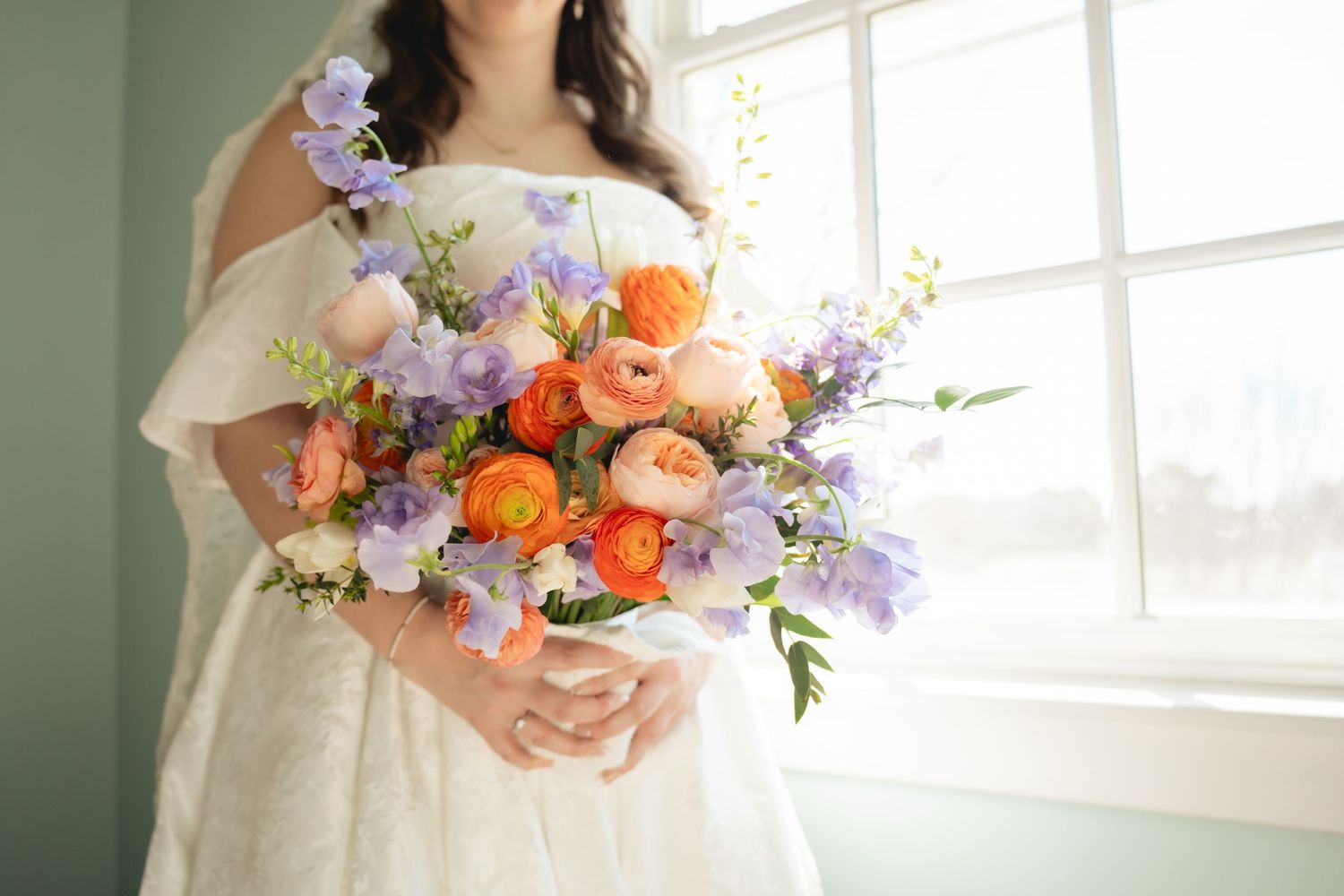
This one's underrated. A dim hotel room with fluorescent lighting makes getting-ready photos flat no matter how good your photographer is. If you have any say in the room, look for one with a big window and natural light.
Have a weather backup, decided in advance
Not "we'll figure it out," but an actual plan B location, picked and walked through ahead of time, if your ceremony or portraits are outdoors. Couples who decide this in advance make faster, calmer decisions the morning of if the forecast doesn't cooperate.
Consider an unplugged ceremony
Ask your officiant to request that guests put phones away during the ceremony. A sea of raised phones during the aisle walk is one of the most common regrets couples mention after the fact, and it's a five-second ask.
Share your vendor list with your photographer
Knowing who else is shooting, filming, or planning the day ahead of time helps everything run smoother and avoids any awkward surprises once the day gets underway.
None of this needs to happen overnight, but they are worth considering early. Most of these are five-minute decisions that make a real difference if you make them a few weeks out instead of a few days out. If you're in the middle of planning and want to talk through any of it, I'm always happy to help.
Cheers,
T